

 Browse All Issue Areas
Mainstreaming Green Infrastructure


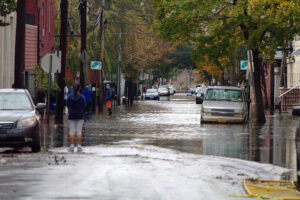
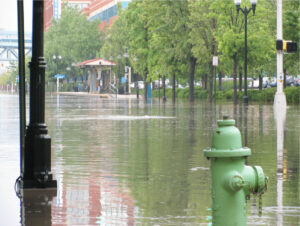
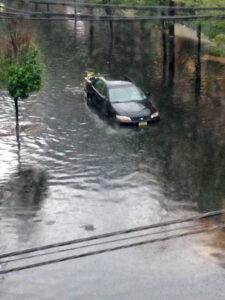
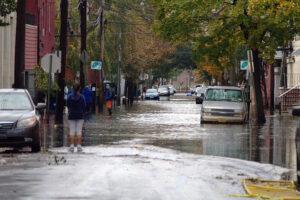
Under today’s climate trends, managing stormwater is becoming increasingly complex. Even moderate rain events and short, intense downpours can cause flooding, carrying pollutants such as motor oil, trash, fertilizer, pesticides, and animal waste into local waterways. As a result, many rivers, streams, and lakes across New Jersey are unsafe for recreation, and stormwater runoff remains the leading source of water pollution in the state.
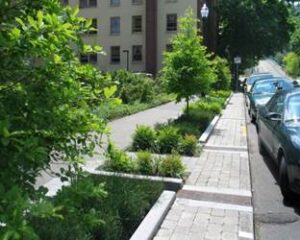
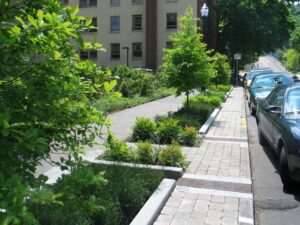
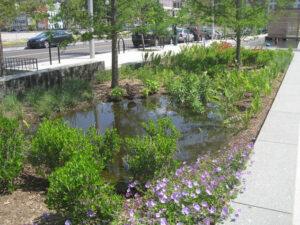
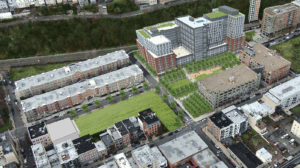
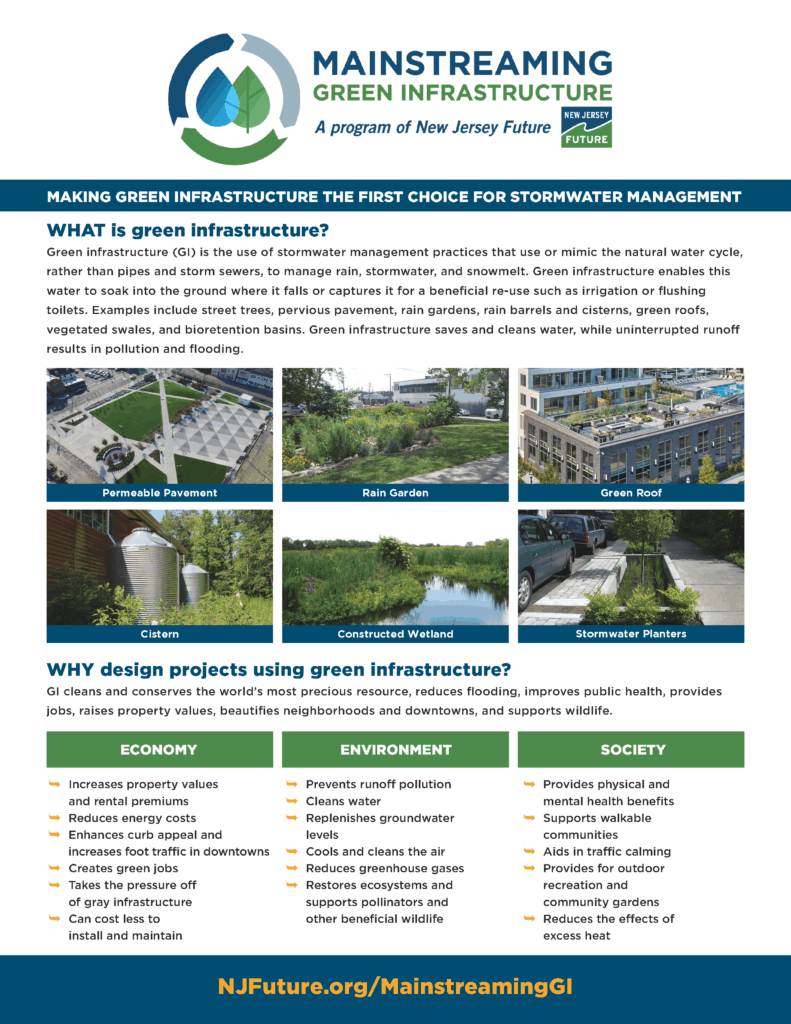
Green infrastructure (GI) helps address these problems. On a given site, GI can be designed to capture the rainfall from at least 90% of rain events, preventing runoff that leads to pollution and flooding. GI techniques enable stormwater and melting snow to soak into soils near where they fall or be captured for beneficial re-use, such as irrigation or flushing toilets. Keeping runoff out of the storm sewer system improves water quality and minimizes localized flooding. GI also delivers multiple associated benefits. It cleans and conserves the world’s most precious resource, reduces flooding, improves public health, provides employment opportunities, enhances property values, beautifies neighborhoods, and supports local wildlife.
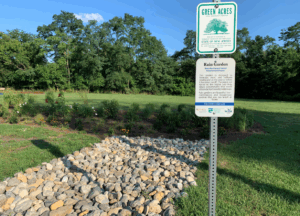
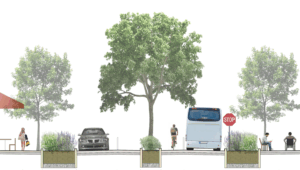
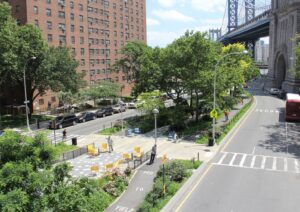
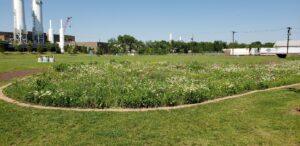
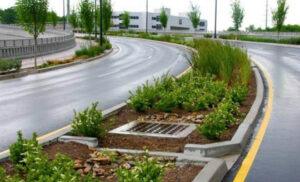
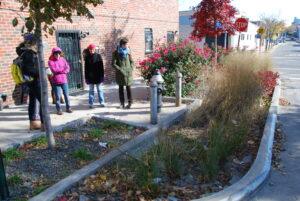
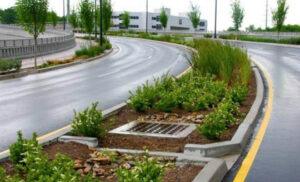
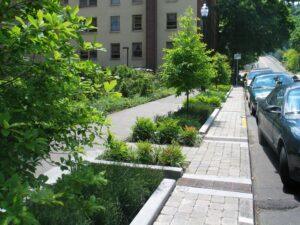
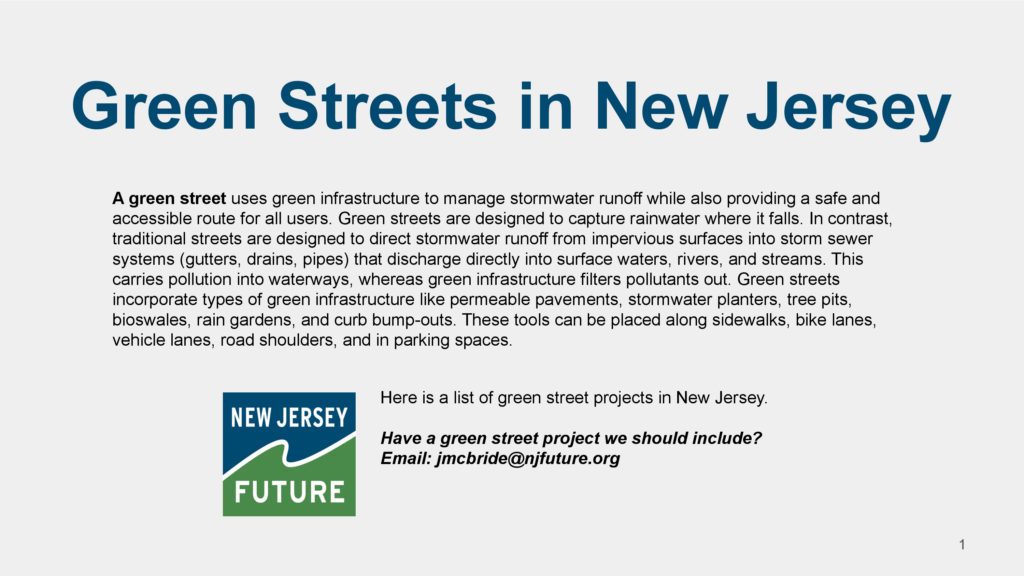
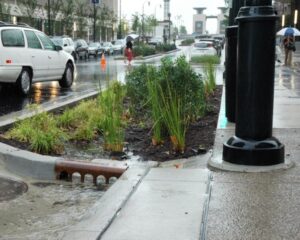
Examples of GI include street trees, pervious pavement, rain gardens, rain barrels and cisterns, green roofs, and vegetated swales.
Learn how to make GI a mainstream practice using:
Our Program
Mainstreaming Green Infrastructure is a program aimed at moving green stormwater infrastructure solutions into common practice. Years ago, green building standards such as LEED were considered niche and expensive. Today, they are recognized as smart and sustainable ways to build. Thankfully, we are now witnessing a similar paradigm shift happening with green infrastructure.
A significant policy driver behind this shift occurred when the New Jersey Department of Environmental Protection updated its stormwater rule, which took effect in March 2021, and mandated the use of green infrastructure to meet the rule’s stormwater management requirements. It’s important to note that while this rule change marks a significant milestone, it affects many, but not all, developments. Additional efforts are needed to further institutionalize green infrastructure and advance the state’s goals for improved water quality and reduced flooding.
To ensure the successful and widespread implementation of GI, New Jersey Future works with:
- State agencies to update and improve rules, manuals, standards, programs, and review processes to facilitate GI.
- Developers to promote and advance the implementation of GI, and to encourage and assist a group of developers to act as ambassadors to the industry.
- Municipalities to understand local challenges to green infrastructure implementation and develop solutions.
Download a factsheet to learn more about this program.
Our Work with State Agencies
New Jersey Future is working with state agencies to update and improve rules, manuals, standards, and programs to facilitate and incentivize the use of green infrastructure.
For example, we collaborated with our partners in the building and environmental communities to advocate for amendments to the state’s stormwater management rules (NJAC 7:8). New Jersey Future is continuing work with our partners to advocate for further state-level improvements to mainstream green infrastructure.
Our Work with Developers
GI can offer a powerful return on investment. New Jersey Future partners with the New Jersey Builders Association to convene the Developers Green Infrastructure Task Force, which helps New Jersey’s developers and their design professionals learn about, finance, and build green infrastructure. The task force includes developers, engineers, green infrastructure experts, and attorneys who advise and assist this important work and act as ambassadors to the industry.
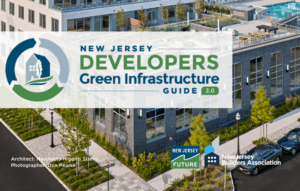
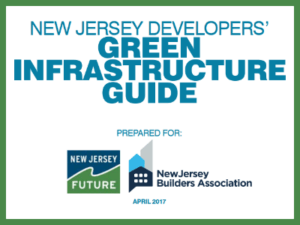
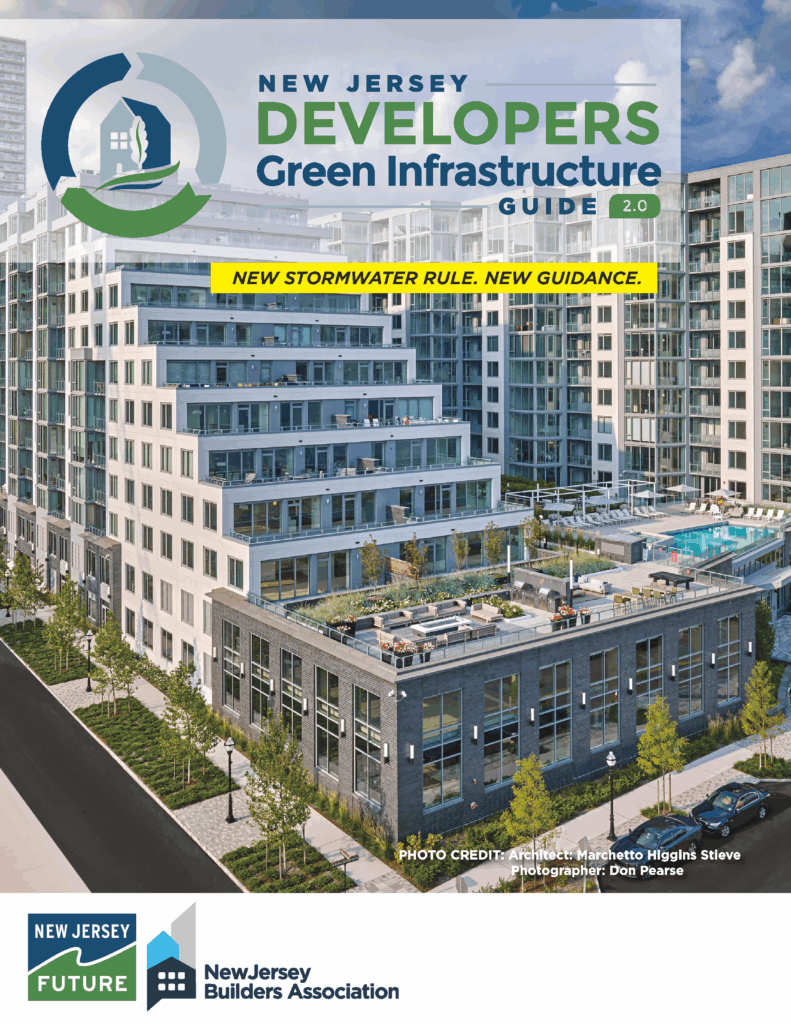
The Developers Green Infrastructure Guide, a product of the Task Force, breaks down New Jersey’s Stormwater Rule amendments and helps developers and decision makers understand green infrastructure options (even for challenging sites), advantages, costs, and benefits.
Our Work with Municipalities
Municipalities are on the front lines of installing GI on municipally-owned land including city hall, public parks, local streets and sidewalks. In addition, municipalities are required to update their stormwater control ordinances and comply with amendments to the Stormwater Management Rules (NJAC 7:8).
We provide resources for municipalities in our Green Infrastructure Municipal Toolkit to:
- Comply with NJDEP’s stormwater rules;
- Plan the right GI for their towns;
- Implement their plans
- Sustain the good work with training, community engagement, and maintenance.
To learn more about how to plan, implement, and sustain GI in municipalities, view the recently-updated Green Infrastructure Municipal Toolkit.
Much of New Jersey Future’s work to mainstream green infrastructure
is supported by a grant from the William Penn Foundation.
06/19/2025
Clawbacks of Transportation and Green Infrastructure Funding
08/30/2024
Sustainable and Cost-Efficient: Implementing a Dig-Once Policy in Trenton
07/30/2024
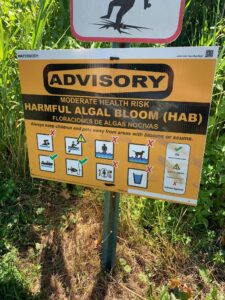
Harmful Algal Blooms impacting recreation season for NJ Lakes

07/30/2024
Stormwater Pays No Mind to Municipal Borders ”Why Should You?
12/18/2023
Sustainable Water Management: Program Rundown of Municipal Options
09/20/2023
Green Infrastructure in the Garden State: Stormwater Research in the Delaware River Watershed

07/17/2023
Planning for Climate Resilient Stormwater Infrastructure
01/04/2023
New NJDEP Watershed Improvement Plan Requirement and What This Means for Municipalities
10/18/2022
Clean Water in the Garden State: Reflecting on 50 years of Progress and Challenges