

 2015 Smart Growth Award


As with the downtown station, its first step was to change the zoning to allow higher densities and a greater mix of uses, including the first residential and the first street-level retail in the area. Next, the city identified the historic buildings in the area, including a firehouse, a former armory and the train station itself, that it wanted to preserve so that they could serve as anchors for the new district. An area of redevelopment has also been proposed within the district, which, if approved, will allow additional high-density housing to be built.
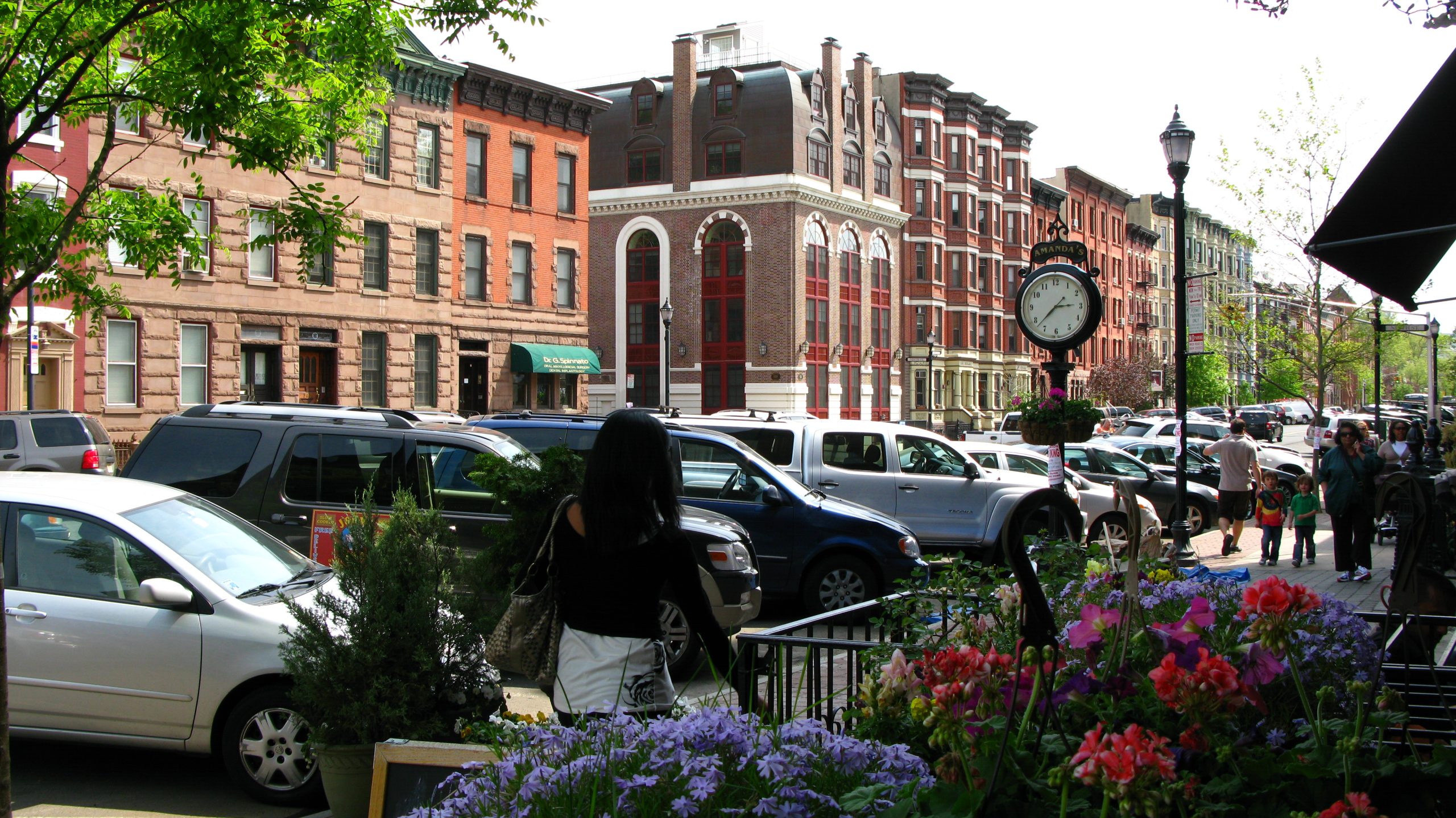
Open space and public-realm improvements are also included in the plan. The city has identified Plainfield Square Park for refurbishing, and will develop a bike linkage system that will traverse the entire district, on both sides of the rail embankment behind the properties along South Avenue. Streetscape enhancements on South Avenue, such as brick-replicating pedestrian crosswalks, will improve safety and highlight the historic details in the district.
Leading the support for this revitalization was the community of business owners in the area, who have played an active role in the redevelopment process. Property owners also championed the public-realm improvements as they saw their property values enhanced, and the community at large was eager to see a fully functioning mixed-use neighborhood around the Netherwood station.
The steps taken as a result of the 2010 study have been pivotal in attracting developers interested in taking advantage of the city’s transit-oriented development opportunities. Soon the Netherwood neighborhood will have its first completed mixed-use development along all of South Avenue. The city’s next step is to apply for Transit Village designation for Netherwood, to gain access to additional resources that will help make the area a truly vibrant, cohesive neighborhood with transit at its center.
Supporting partners: HOPES Community Action Partnership; Paramount Assets; Sumo Urban Renewal Corp.; TJC & BVR LLC